






- News Categories
- General News
- 1000th species collected in national DNA project named after South Hams naturalist
1000th species collected in national DNA project named after South Hams naturalist

A project to sequence the DNA marine life in the UK and Ireland collected its 1000th species, the Montagu’s blenny at Mountbatten Beach in Plymouth.
The blenny, a small fish found on rocky shores in the south and west of Britain is named after Kingsbridge-based naturalist George Montagu.
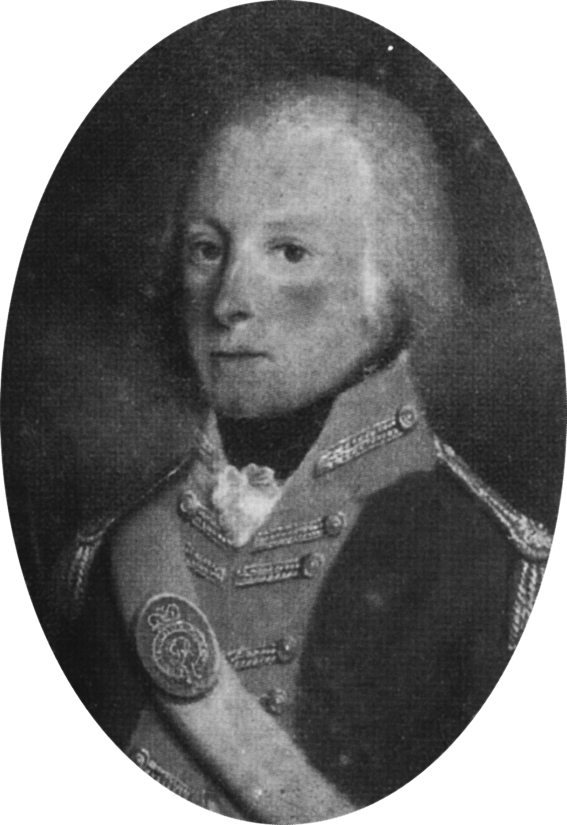 Montagu George 1751-1815
Montagu is best known for his Ornithological Dictionary (1802), which he wrote at Prospect House, near Kingsbridge in Devon. His contributions to early knowledge of British birds included showing that many previously accepted species were invalid, either because they were birds in summer or winter plumage or males and females of the same species.
Building a library of life: 1000 milestone in sequencing DNA of marine life in the UK and Ireland, is covering the historical harbours and stunning coastlines of Scotland; to the dramatic cliffs and coves of Cornwall, researchers have traversed the length and breadth of the UK to collect DNA from marine life.
They have now successfully sampled 1000 species, a huge achievement since the start of their project in 2020.
Their goal is clear – to provide the tools for better understanding marine species around the UK and Ireland and create a library based on their findings.
This ambitious venture is part of Earth Biogenome Project, which aims to sequence the DNA of all eukaryotic (organisms whose cells contain a nucleus) life on earth.
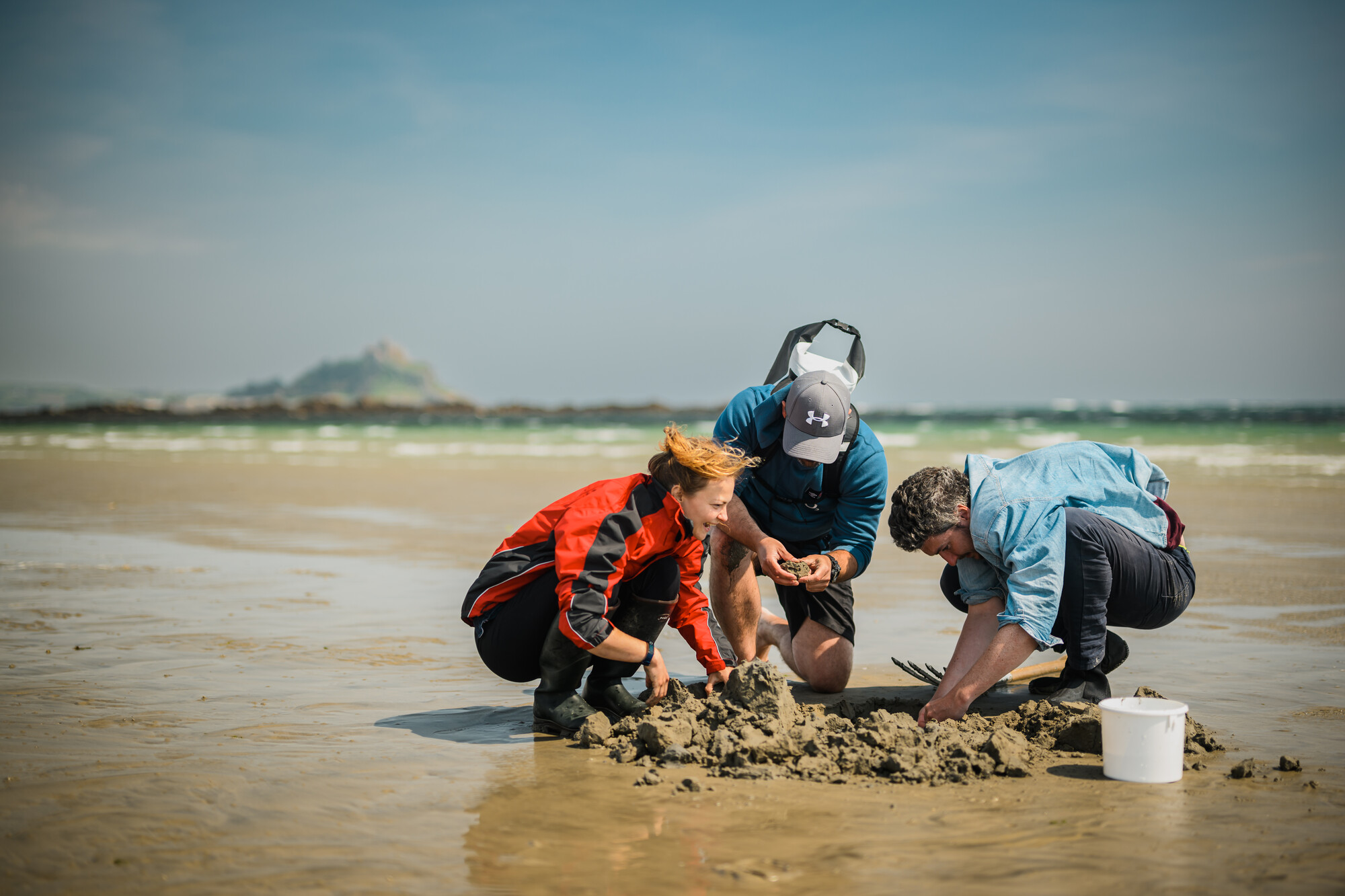 Darwin Tree of Life - Foreshore Sample Collection
All Life contains genetic information called DNA. DNA carries the instructions for the development, growth, reproduction, and functioning of all life.
A genome is the sum total of this DNA and is unique to each species. Unlocking the secrets of genomes is vital to help build knowledge on organisms and discover how they respond to environmental stressors and climate change.
This would enable scientists to explore the diversity and evolution of marine life, which in turn could aid conservation efforts and provide new tools for medicine and biotechnology.
The UK and Ireland is home to a diverse range of species, and with the world-class knowledge and expertise from many well-established institutions, it is the perfect starting point for the project.
The Darwin Tree of Life (DToL) project is made up of ten research institutions including the Wellcome Sanger Institute, University of Oxford and Kew Royal Botanic Gardens who aim to sequence the genomes of all 70,000 plants, animals and fungi across the UK and Ireland.
From collecting species to genome assembly, each DToL partner has an important role to play in the project.
DToL researchers from the Marine Biological Association (MBA) are leading on the collection and sampling of marine species, from crabs and shrimps, to marine worms, seagrass and marine fungi.
To date, the team have visited over 64 locations across the UK to find many marine species, leaving no rock unturned on their mission. In 2013, the MBA was granted a Royal Charter.
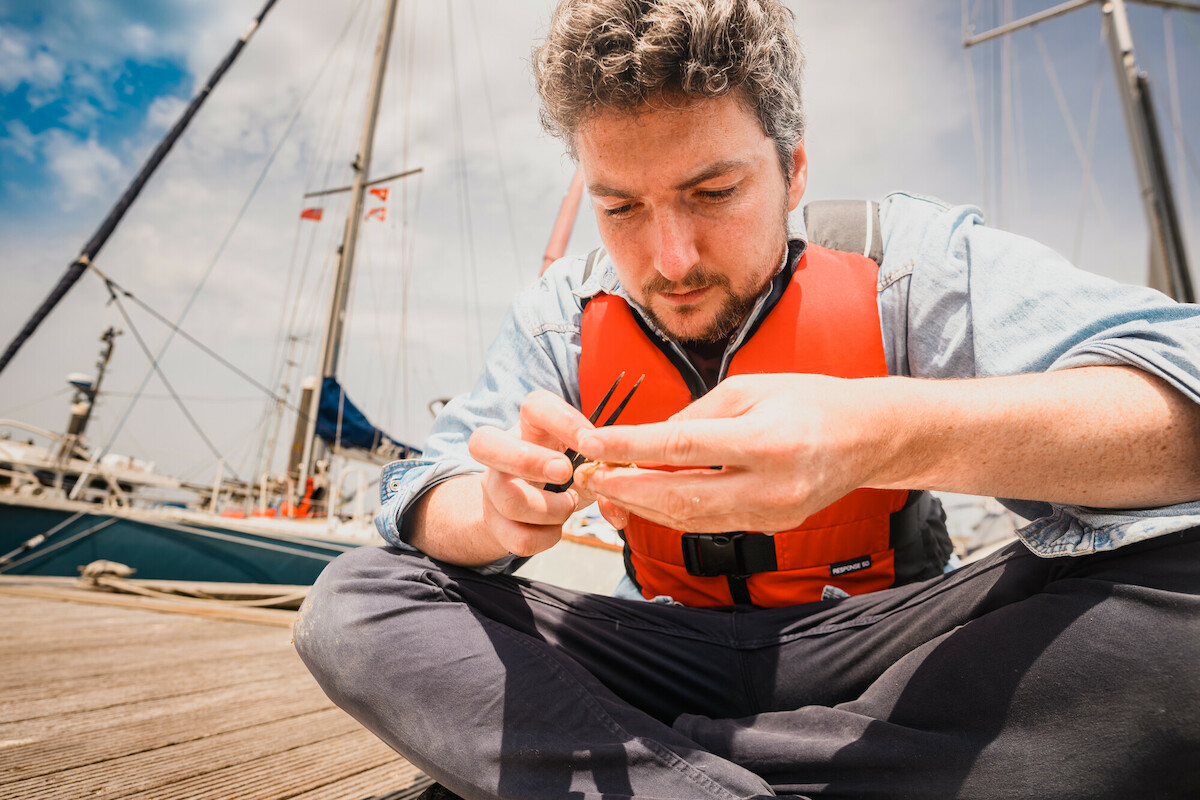 Darwin Tree of Life - Foreshore Sample Collection
Senior Research Fellow Dr Nova Mieszkowska said: “The MBA team members have a wide range of taxonomic expertise and ecological knowledge of algae and animals that is vital in the collection of species ranging from single celled protists up to megafauna from habitats across the UK Regional Seas.”
Mark Blaxter, who leads the Darwin Tree of Life project, said: “When the human genome was sequenced, it changed the way we do human biology forever. And it’s really transformed how we see ourselves and how we work with our health and illness.
“And we want to make that possible for all of biology. So we want everybody, working on any species able to have this ultimate foundation.
"The genetic work should show how species relate to each other, and reveal their similarities and also where their differences lie. It’s filling up the library of life."
Over time, the project will continue to build up a library of high-quality genomes that is openly accessible by anyone. These genomes act as vital tools for the scientific community; to better understand the evolutionary history of these organisms, aid in conservation efforts, and for biotechnological applications.
Watch the Darwin Tree of Life video on YouTube:

User comments
You might also be interested in


-
{{#owner}}
-
{{#url}}
{{#avatarSrc}}
{{name}} {{/url}} {{^url}} {{#avatar}} {{& avatar}} {{/avatar}} {{name}} {{/url}} - {{/owner}} {{#created}}
- {{created}} {{/created}}